Hero of Faith Activity Coloring
Coloring activities designed around faith-based themes have grown beyond simple pastimes into structured tools for reflection, planning, and creative expression. The Hero of Faith Activity Coloring concept blends visual art, narrative, and intentional focus, making it a surprisingly versatile asset in professional and personal workflows. At its core, it is not merely a coloring book but a guided process that uses imagery and scripture or faith-based prompts to anchor the user in a specific mindset. This article explains where it fits in a broader process, how to use it before, during, or after various tasks, and how to integrate it smoothly into existing routines.
Understanding What Hero of Faith Activity Coloring Offers
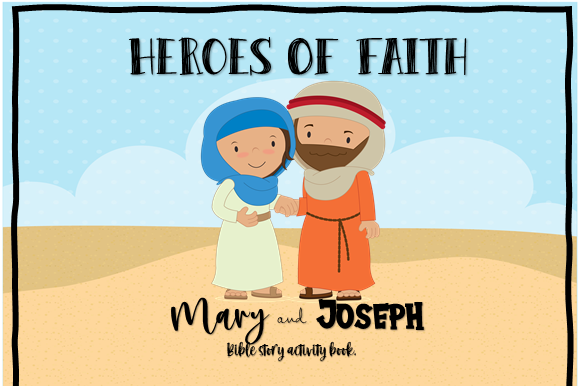
Before diving into implementation, it helps to understand the structure. Hero of Faith Activity Coloring typically presents scenes of biblical figures or faith heroes paired with short narratives or reflection questions. The act of coloring engages the hands and eyes, while the content engages the mind and spirit. This dual engagement makes it effective for shifting mental states, reducing stress, or reinforcing values. In a workflow context, think of it as a reset button or a focusing lens rather than a passive hobby. It occupies a space between meditation, journaling, and strategic breaks.
Where It Fits in a Broader Process
Most professionals juggle multiple projects, decisions, and creative tasks. The Hero of Faith Activity Coloring works best as a structured interlude. It can serve different roles depending on timing:
- Before a project or task — to set intention, clarify priorities, or calm pre-work anxiety.
- During a creative process — as a warm-up exercise or a mental palate cleanser when stuck.
- After a decision or completion — to decompress, reflect on outcomes, or consolidate lessons learned.
Using Hero of Faith Activity Coloring Before a Project, Task, or Decision
Starting a major project often involves scattered thoughts or competing priorities. Dedicating ten minutes to a coloring page centered on a faith hero (such as one illustrating perseverance, courage, or wisdom) can shift focus. The physical act of selecting materials, coloring within lines, and engaging with the narrative creates a ritual that signals the brain: “Now we begin.” This is especially useful for entrepreneurs and marketers who face decision fatigue. Instead of jumping straight into spreadsheets or drafts, first engage with a page that reinforces a core value—say, integrity or stewardship. The coloring session becomes a quiet pre-briefing that aligns your mindset with the work ahead.
Practical Preparation Tips
- Set up a small dedicated space with coloring tools (pencils, markers) away from your main desk.
- Choose a page that matches the theme of your upcoming work (e.g., a hero known for patience before a long negotiation).
- Set a timer for 10–15 minutes to avoid extended distraction.
- After coloring, spend two minutes writing one insight from the activity directly into your project notes.
Using It During Creative Workflows and Learning Activities
Creative blocks are common among writers, designers, and educators. When a project stalls, the brain needs a break that is neither fully disengaged nor overstimulating. Hero of Faith Activity Coloring fits perfectly here because it requires enough focus to quiet the mental noise but not so much that it drains energy needed for the main task. You can also use it as a collaborative activity with a team or students. For example, during a brainstorming session on a new campaign, hand out a coloring page related to courage or innovation. While coloring for five minutes, participants absorb the message subconsciously. Then return to the discussion with a shared thematic anchor.
Interaction with Other Tools and Resources
This coloring activity pairs well with several common tools:
- Planners and bullet journals — Use a completed coloring page as a cover sheet for a week’s goals or as a visual divider in a project binder.
- Digital note apps — Scan and insert the colored page into a digital notebook (e.g., Notion, Evernote) alongside meeting notes or reflections.
- Meditation or mindfulness apps — Use the coloring session as a tactile alternative to guided audio, especially when screens need to be avoided.
- Team collaboration platforms — Share a photo of your colored page in a Slack channel as a conversation starter about shared values.
Using It After a Project, Task, or Purchase Decision
Completion of a significant phase—whether it’s a product launch, a quarterly report, or a major purchase—often leaves a gap where reflection is needed. Hero of Faith Activity Coloring can serve as a low-pressure debrief. Pick a page that depicts a hero celebrating a victory or giving thanks. While coloring, mentally review what went well and what could improve. The act of finishing the page parallels finishing the project, providing a sense of closure. For small business owners, this can be a weekly practice after reviewing financials or after a client meeting. The coloring page becomes a tangible milestone in your workflow.
Quality Control and Consistency Over the Long Term
Like any recurring activity, maintaining quality and consistency requires intentional habits. Here are observations from users who have integrated Hero of Faith Activity Coloring into regular routines:
- Rotate pages — Avoid repeating the same hero or theme too often to keep the reflection fresh.
- Match the complexity to your energy — Use detailed pages when you have time and focus, simpler pages when energy is low.
- Combine with a physical journal — Write the date, project name, and one takeaway on the back of each completed page. Over weeks, this creates a visual and written record of your thought process.
- Store completed pages in a folder — They become a portfolio of your mental state during different projects, useful for future planning or personal review.
For Professionals and Entrepreneurs
Treat the coloring activity as a recurring calendar entry, not an optional break. Use it as a pre-meeting ritual for high-stakes calls or as a transition activity between intense tasks. The Hero of Faith Activity Coloring pages can be scanned and inserted into client proposals or team vision boards as a subtle expression of values—just ensure the faith context aligns with your audience. For consistency, keep a small kit in your bag: a few photocopied pages, a pencil case with six core colors, and a small hard surface.
For Educators and Creators
In a classroom or workshop setting, distribute coloring pages as a warm-up exercise before a lesson about perseverance or leadership. Afterward, discuss the hero’s story and how it connects to the day’s learning objectives. For content creators, film or photograph the coloring process as part of a background video or social media post about mindful work habits. The activity offers a visual metaphor for building something step by step.
For Hobbyists and Productivity-Minded Users
Integrate the coloring into your morning or evening routine. For example, five minutes of coloring after your daily planning session helps you transition from “planning mode” to “execution mode.” Alternatively, use it as an anchor habit: for every major task completed, color one small section of a page. This gamifies your workflow and builds a visual record of accomplishment.
Factors That Influence Effective Use
The following factors determine how well Hero of Faith Activity Coloring integrates into your workflow:
- Preparation — Have materials ready and pages pre-selected. Spontaneity works, but having a dedicated set reduces friction.
- Compatibility — Ensure the faith themes resonate with your personal or organizational values. Mismatch weakens the effect.
- Usability — Choose pages with clear lines and appropriate detail. Overly intricate designs can frustrate, while too-simple ones may not hold attention.
- Organization — Keep a system for finished pages: by date, by theme, or by project. This turns a casual activity into a library of reflections.
- Efficiency — Limit coloring sessions to 10–15 minutes for work contexts. Longer sessions can become procrastination.
Long-Term Use and Evolving Practice
Many users find that the Hero of Faith Activity Coloring deepens over time. Initially, it may feel like a simple break. After weeks, you start noticing how different heroes and scenes correlate with your project phases. For instance, you might reach for a page about Joshua (courage and battle) before a challenging campaign, and a page about Ruth (loyalty and provision) after completing a client project. This personalized mapping makes the practice more powerful. Store your completed pages in a binder with tabs for different life or work areas. Reviewing them quarterly can reveal patterns in your emotional and cognitive states linked to your productivity.
Another long-term benefit is skill development in both coloring and reflection. Over time, you become faster at selecting pages and more articulate in connecting the themes to your tasks. The activity also serves as a low-stakes creative outlet that doesn’t require a blank canvas—perfect for those who want to create but feel intimidated by open-ended art.
Final Observations on Integration
Hero of Faith Activity Coloring is not a fix-all productivity hack. It is a thoughtful companion that works best when applied intentionally. The key is to treat it as part of your system, not as an escape from it. Whether you use it before a meeting to calm nerves, during a creative block to unstick your thoughts, or after a project to bookmark what you learned, the coloring activity adds a layer of structured reflection that is often missing in fast-paced work environments. It interacts seamlessly with planners, journals, digital notes, and team rituals. When you set it up with the right preparation, compatibility, and organization, it becomes a reliable tool that supports both your output and your well-being.