The Intersection of Scripture and Creative Expression: Understanding Bible Verse Coloring Pages Books
In recent years, a quiet yet meaningful shift has taken place in how people engage with sacred texts. Bible Verse Coloring Pages Books have emerged as a tangible resource that blends meditative artistry with scriptural reflection. Rather than treating the Bible purely as a text for reading or study, these books invite users to slow down, pick up a coloring tool, and interact with passages in a sensory, hands-on manner. The result is a practice that feels both ancient—rooted in the tradition of illuminated manuscripts—and refreshingly modern, accessible to anyone with a box of colored pencils.
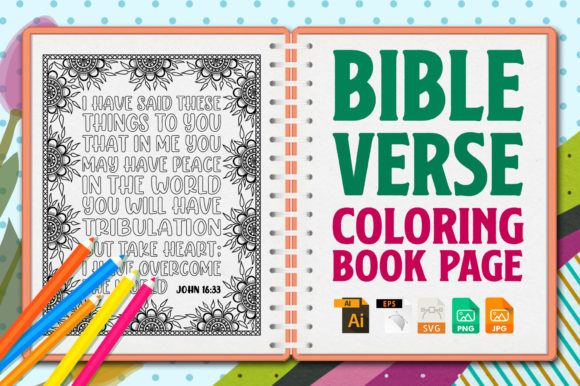
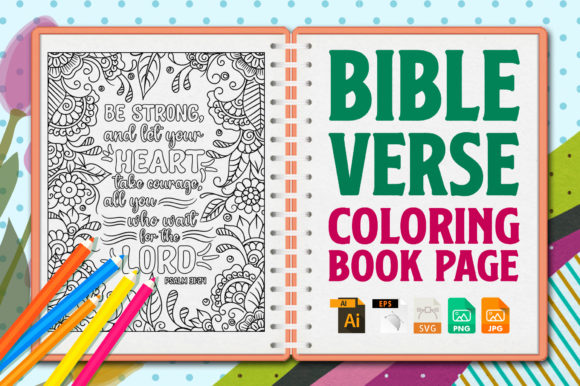
What distinguishes these books from standard adult coloring books is their intentional coupling of visual creativity with specific Bible verses. Each page typically features a scripture quotation rendered in decorative lettering, surrounded by intricate patterns, floral motifs, or geometric designs. The user is not simply filling in shapes; they are dwelling on a verse while engaging in a rhythmic, low-stakes creative act. This dual focus transforms the experience into something deeper than mere pastime.
How the Format Works as a Dual-Purpose Tool
At first glance, a Bible verse coloring page might appear straightforward: an image to color and a verse to read. However, the design philosophy behind these books is more layered. Publishers and illustrators curate verses around themes such as peace, gratitude, patience, or hope, ensuring that each page offers both aesthetic appeal and spiritual resonance. The typography itself often becomes part of the illustration—letters may be hollow, allowing the user to color them in, or they may be woven into a larger scene like a tree, cross, or landscape.
The dual-purpose nature of these books means they serve multiple functions simultaneously:
- Devotional tool: The act of coloring provides a quiet rhythm that can facilitate meditation on the verse. Users often report that they remember the scripture more vividly after spending time with it visually.
- Creative outlet: For individuals who lack confidence in freehand drawing, these pages offer a structured creative experience. The satisfaction of completing a page is genuine, even for those who do not consider themselves artistic.
- Stress management: The repetitive motion of coloring, combined with the calming nature of scripture, creates a relaxation response that is well-documented in art therapy literature.
- Community resource: Many small groups, church classes, and even family gatherings use these books as a shared activity that requires no special skills and invites conversation.
Why the Combination of Verse and Visuals Matters
There is a neurological reason why Bible Verse Coloring Pages Books resonate so strongly with users. When a person reads a verse and simultaneously engages in a fine-motor activity like coloring, multiple regions of the brain are activated. The visual cortex processes the shapes and colors, the language centers decode the text, and the motor cortex coordinates hand movements. This multisensory engagement can lead to higher retention of the scripture and a deeper emotional connection to its meaning.
Consider the example of a verse like Philippians 4:13, "I can do all things through Christ who strengthens me." Reading this quickly in a devotional might take seconds. But coloring a page where those words are surrounded by vines and blossoms requires several minutes of focused attention. In that time, the mind has space to reflect on the verse's personal application, to let it settle into the subconscious. The physical act of choosing colors and staying within lines becomes a form of prayerful focus.
Moreover, the visual context provided by the illustrator can enhance interpretation. A verse about peace paired with imagery of doves, olive branches, and gentle waves reinforces the message through symbolism. A verse about strength might be framed by mountains, shields, or oak trees. This synergy between word and image makes the scripture more memorable and more personal.
Who Benefits from These Books and How
The audience for Bible Verse Coloring Pages Books is remarkably broad, cutting across age groups, professions, and spiritual backgrounds. Understanding the different ways various users engage with these books reveals their versatility.
Educators and Children's Ministry Leaders
Teachers in Sunday school or Christian school settings often use coloring pages as a supplementary activity. For younger children, the pages help reinforce memory verses in a non-intimidating way. For older students, more intricate designs can be used as a calm-down activity after high-energy lessons. Educators appreciate that the pages are self-contained and require minimal preparation: print, hand out, and let the learning unfold naturally.
Adults Seeking Mindful Devotion
Many adults find traditional quiet time challenging due to racing thoughts or distractions. Coloring provides a gentle anchor for the mind. A business executive might spend ten minutes coloring a verse about rest before starting the workday. A nurse might use a page after a long shift to decompress. These books fit into small pockets of time, offering a structured way to reconnect with faith without the pressure of lengthy study.
Hobbyists and Creative Enthusiasts
For people who love coloring as a hobby, the addition of scripture adds meaning to the activity. Many hobbyists enjoy experimenting with color palettes—using watercolor pencils, gel pens, or markers—to create finished pages they can display, gift, or share on social media. The community aspect is real: online platforms like Instagram and Pinterest are filled with groups where users share their colored pages, discuss techniques, and encourage one another.
Therapeutic and Counseling Contexts
Art therapists and counselors occasionally incorporate these books into their practice, particularly with clients who have a religious background. The combination of scripture and coloring can facilitate conversations about hope, identity, and coping. The non-directive nature of the activity allows clients to engage at their own pace, while the verses provide gentle prompts for reflection. It is a low-stakes entry point for individuals who may be hesitant to talk directly about their struggles.
Retirees and Seniors
Older adults often gravitate toward these books for several reasons: the large-print editions are accessible, the themes resonate with lifelong faith journeys, and the fine-motor activity supports hand-eye coordination. Senior centers and retirement communities sometimes organize group coloring sessions, which combine social connection with personal quiet time.
Practical Considerations for Creators and Consumers
Whether you are a creator designing your own Bible Verse Coloring Pages Books or a consumer looking for the right one to purchase, a few practical factors can make a significant difference in the experience.
Paper Quality and Medium Compatibility
Not all coloring books are created equal. The best books use thick, single-sided paper that prevents bleed-through and allows for use with markers, watercolors, or heavy layering. Consumers who enjoy using alcohol-based markers will want to look for books that specify "marker-friendly" or "perforated pages." Creators should invest in quality paper stock to ensure their work can be enjoyed with a variety of tools.
Typography and Verse Selection
The choice of Bible translation matters. Some books use the King James Version for its poetic cadence; others prefer the New International Version or English Standard Version for clarity. Creators often select verses that are visually balanced—not too short and not too long. A verse that fits comfortably within the artwork allows the typography to be both readable and decorative. Consumers should look for books that use their preferred translation and that feature verses they find meaningful.
Level of Detail and Intended Audience
Coloring pages vary widely in complexity. Some are designed for young children, with bold lines and large spaces. Others are intended for adults, with intricate mandalas, tiny floral details, and elaborate borders. A book that is too simple may bore experienced colorists; one that is too detailed may frustrate beginners. Looking at sample pages online before purchasing is always a wise step. Creators should clearly indicate the difficulty level on the cover or product description.
Binding and Layout
Spiral-bound books lie flat, making them easier to use for coloring near the spine. Glue-bound books may require the user to crack the spine or press down forcefully. Single-sided pages allow for the finished artwork to be removed and displayed. Some users prefer perforated pages for easy removal. These seemingly small details can greatly affect satisfaction.
Digital vs. Print: A Growing Ecosystem
While physical books remain popular, a parallel digital ecosystem has developed. Printable PDFs, digital downloads, and coloring apps now offer Bible Verse Coloring Pages Books in formats that can be used on tablets or printed at home. This flexibility is valuable for several reasons:
- Cost-effectiveness: Digital files can be purchased and printed repeatedly, making them ideal for classroom use or large groups.
- Customization: Users can print pages at different sizes, select specific verses, or combine pages from multiple sources.
- Accessibility: For individuals with limited storage space or those who travel frequently, a digital library of coloring pages takes up no physical room.
- Environmental considerations: Digital-only users avoid the paper and shipping costs associated with physical books.
However, many users still prefer the tactile experience of a physical book—the sensation of turning pages, the lack of screen glare, and the permanence of a book that can be revisited for years. The market has responded by offering both formats, and many publishers now provide a hybrid experience: a physical book accompanied by a digital download code.
Observations on Trends and Quality
As the category has matured, the quality of Bible verse coloring books has risen significantly. Early entries often featured clip-art style illustrations and generic fonts. Contemporary offerings, by contrast, showcase original artwork, hand-lettered typography, and sophisticated design sensibilities. Illustrators bring diverse styles—from whimsical and watercolor-like to bold and geometric—giving consumers a wide range of aesthetic options.
One notable trend is the thematic series approach. Rather than a general collection, publishers now release books focused on specific topics: verses for anxiety, verses for gratitude, verses for Easter or Advent, verses for women, verses for men, and even verses for sports enthusiasts. This specialization allows users to find a book that speaks directly to their current season of life.
Another observation is the growing recognition of these books as legitimate tools for spiritual formation. Pastors and spiritual directors sometimes recommend them as a form of lectio divina—a slow, meditative reading of scripture. The coloring process naturally encourages repetition and reflection, which aligns with ancient Christian practices of memorization and contemplation.
Considerations for Integrating These Books into Daily Life
For those who are new to the concept, integrating a coloring book into a spiritual routine can feel unusual at first. But the barrier to entry is extremely low. A small set of colored pencils and a single book are all that is needed. Some users find it helpful to set aside a specific time—perhaps during morning coffee or before bed—to complete one page. Others keep the book on a coffee table and pick it up during moments of downtime.
Group settings offer another avenue. Church small groups or youth groups can dedicate a session to coloring together while listening to worship music or discussing a passage. The shared creative focus often leads to deeper conversations than a typical discussion format. Similarly, families can use these books as a screen-free activity that brings parents and children together around scripture.
It is also worth noting that these books are not limited to evangelical or Protestant contexts. Catholic, Orthodox, and non-denominational Christians have embraced them, and some books cater specifically to liturgical seasons or include verses from the Deuterocanonical books. The format itself is denominationally flexible, centering on scripture rather than doctrine.
Balancing Creativity with Respect for the Text
A thoughtful consideration for both creators and users is how to balance creative freedom with reverence for the scripture. Some users worry that coloring over or around a verse might feel disrespectful. Yet the tradition of illuminating scripture with images and decorative elements goes back centuries, from the Book of Kells to medieval psalters. Coloring a verse is, in many ways, a continuation of that tradition—a way of honoring the text by giving it visual beauty.
Creators can support this balance by designing pages where the verse remains clearly legible and central to the composition. The artwork should frame the verse, not overwhelm it. Users, for their part, might treat the coloring process as an act of devotion rather than mere decoration, approaching each page with intention and care.
The Role of Community and Sharing
One of the more surprising developments in the world of Bible verse coloring is the strength of the online community. Social media platforms host groups where members post their completed pages, ask for color advice, and share which verses they are meditating on. This digital fellowship extends the life of the book beyond the individual user and creates accountability and encouragement.
Some churches have even hosted "color and coffee" events, where participants bring their own books or use pages provided by the church. These gatherings are intergenerational and require no prior artistic skill. They exemplify how a simple creative tool can foster connection and spiritual growth in a low-pressure environment.
Ultimately, Bible Verse Coloring Pages Books represent more than a niche product category. They are a response to a cultural longing for slowness, beauty, and depth in a world that often prioritizes speed and efficiency. By merging the ancient practice of scripture meditation with the accessible act of coloring, these books offer a unique pathway for people of all ages and backgrounds to engage with sacred texts in a way that feels personal, creative, and restorative. Whether used in solitude or in community, they remind us that engaging with faith can be as gentle as choosing a color and as profound as sitting with a single word.