Understanding Faith Love Freedom: A Practical Guide to Evaluating Its Role in Your Life
When people encounter the phrase "Faith Love Freedom," it often resonates as a personal mantra or a philosophical anchor. But beyond its surface appeal, many are left wondering what it actually means in practice, whether it aligns with their values, and how to evaluate it as a guiding principle. This article offers a balanced, objective look at Faith Love Freedom—what it represents, why it attracts attention, and how to decide if it fits your personal or spiritual journey.
What Faith Love Freedom Represents as a Concept
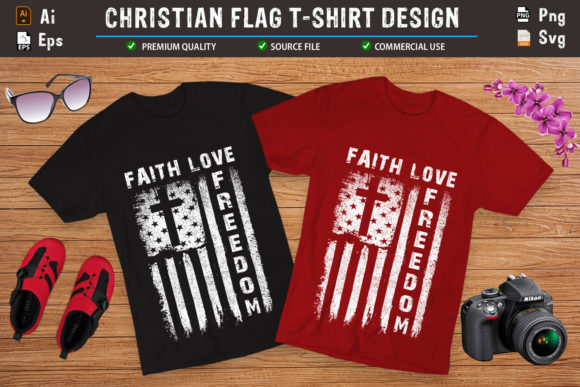
Faith Love Freedom is not a single doctrine, organization, or product. Rather, it is a thematic triad that appears across spiritual, philosophical, and lifestyle contexts. At its core, the term combines three foundational human pursuits: trust in something greater than oneself (faith), connection and compassion toward others (love), and the autonomy to live authentically (freedom). Together, these elements form a framework for self-directed living that emphasizes internal conviction, relational depth, and personal agency.
In practice, Faith Love Freedom can manifest as a personal motto, a community value system, or a lens through which individuals interpret their beliefs and choices. Some encounter it through social media influencers, spiritual teachers, or lifestyle brands; others develop it organically as they reflect on what matters most to them. The common thread is the intent to integrate these three principles into daily decision-making and long-term purpose.
Why People Are Drawn to Faith Love Freedom
Interest in Faith Love Freedom often arises during periods of transition or reflection. People may be questioning inherited belief systems, seeking more meaning in their routines, or looking for a simple yet profound framework to guide their choices. The triad offers a kind of moral and emotional shorthand: it distills complex ideas about purpose, relationships, and independence into three accessible concepts.
Another reason for its appeal is its flexibility. Unlike rigid ideologies or prescriptive programs, Faith Love Freedom does not demand adherence to specific rules or authorities. It invites individuals to define faith, love, and freedom on their own terms. This openness can be especially attractive to those who value personal exploration over external dogma.
Additionally, the phrase carries a sense of aspiration. It suggests a life lived with intention, where one's beliefs, connections, and autonomy are in harmony. For many, this vision is both motivating and reassuring, offering a target to aim for rather than a checklist to complete.
Benefits of Embracing a Faith Love Freedom Mindset
One of the primary benefits is clarity. When you adopt Faith Love Freedom as a guiding principle, you have a simple filter for decisions: Does this choice honor my faith (values or beliefs)? Does it nurture love (genuine connection and compassion)? Does it protect or expand my freedom (autonomy and authenticity)? This can reduce decision fatigue and help prioritize what truly matters.
Another benefit is emotional resilience. Grounding yourself in faith (in a higher power, in humanity, or in yourself) can provide stability during uncertainty. Love, when practiced actively, fosters supportive relationships that buffer stress. Freedom, when understood as both responsibility and opportunity, encourages proactive rather than reactive living.
There is also a sense of integration. Rather than compartmentalizing your spiritual life, your relationships, and your personal goals, Faith Love Freedom encourages you to see how they interconnect. This holistic perspective can lead to greater inner coherence and a more authentic outward life.
Tradeoffs and Considerations
However, Faith Love Freedom is not without its complexities. One significant tradeoff is the potential for conflict between the three elements. For example, a strong commitment to personal freedom may sometimes clash with the demands of love—such as the sacrifices required in a close relationship. Similarly, faith (especially when rooted in a specific tradition) may impose constraints on what you consider permissible, which can feel limiting to your sense of freedom.
Another consideration is the risk of oversimplification. While the triad is elegant, life does not always break neatly into three categories. Complex ethical dilemmas, systemic issues, or deeply ingrained habits may require more nuanced frameworks than Faith Love Freedom alone can provide. Used uncritically, it might lead to overlooking important details or avoiding necessary tradeoffs.
There is also the question of definitions. Because faith, love, and freedom are highly subjective, two people embracing the same phrase may have radically different interpretations. This can lead to miscommunication or unrealistic expectations, especially in relationships or group settings where the terms are used without shared meaning.
What to Expect When Exploring Faith Love Freedom
If you decide to explore Faith Love Freedom as a personal framework, expect a process of trial and refinement. You may find that some situations call for prioritizing one element over the others, and that balance shifts over time. For instance, during a crisis, faith might take precedence; during a conflict, love may need center stage; during a period of growth, freedom might be the focus.
You should also anticipate that this framework works best when it is lived, not just thought about. It invites reflection but also action—making choices that align with your stated values. This can be rewarding but also uncomfortable, as it may reveal gaps between your aspirations and your current habits.
Finally, expect that Faith Love Freedom will not answer every question. It is a compass, not a map. It points you in a direction but does not provide step-by-step instructions for every circumstance. That means you retain the responsibility of applying it wisely in your unique context.
When Faith Love Freedom Is a Strong Fit
This framework tends to work well for individuals who value autonomy and are comfortable with ambiguity. If you are already inclined toward introspection and personal growth, Faith Love Freedom can provide a structure that honors your individuality while encouraging meaningful connection and purpose.
It is also a good fit for those who are in transition. People leaving a religious tradition, recovering from a relationship breakdown, or redefining their career path may find that the triad offers a stabilizing yet flexible foundation. It allows you to rebuild your life around core commitments without having to adopt a fully formed system from the outside.
Additionally, Faith Love Freedom can serve as a shared language in partnerships, families, or small communities where members want to align on values without rigid uniformity. It can facilitate conversations about what each person means by faith, love, and freedom, leading to deeper mutual understanding.
When Alternatives May Be Worth Considering
However, there are situations where Faith Love Freedom may not be sufficient or appropriate. If you are seeking a structured path with clear rules, doctrines, or practices—such as a specific religious tradition, a therapeutic protocol, or a step-by-step self-help program—the open-ended nature of this triad may feel unsatisfying or ungrounding.
Similarly, if you are dealing with acute distress, trauma, or a serious life crisis, Faith Love Freedom should not replace professional counseling, medical care, or evidence-based interventions. While the framework can offer inspiration and perspective, it is not a substitute for expert support.
For those who prefer a more externally validated approach—such as one backed by research, institutional authority, or community accountability—Faith Love Freedom's reliance on personal interpretation may feel too subjective. In these cases, alternatives like a structured faith community, a well-researched psychological model, or a goal-oriented coaching program might provide the clarity and accountability you need.
Practical Decision-Making Insights
If you are trying to decide whether Faith Love Freedom aligns with your goals, start by clarifying what each term means to you. Write down your personal definitions of faith, love, and freedom. Consider where these definitions come from—your upbringing, your experiences, your aspirations. Do they feel authentic, or are they borrowed from others?
Next, test the framework in small, low-stakes decisions. For example, when deciding how to spend a free evening, ask yourself: What would honor my faith (values)? What would nurture love (connection)? What would support my freedom (authenticity)? Notice how the answers feel and whether they lead to choices you stand by.
It can also help to reflect on past decisions that you regret or celebrate. How would the triad have influenced those moments? Would it have helped you avoid pitfalls or doubled down on what worked? This retrospective analysis can give you insight into whether the framework naturally complements your existing judgment.
Finally, remain open to evolving your understanding. Faith Love Freedom is not a fixed formula. As you grow, your definitions may shift, and the balance between the three elements may change. The value of the framework lies not in its perfection but in its ability to keep you asking meaningful questions about how to live well.
Determining Alignment with Your Own Goals
Ultimately, the decision to embrace Faith Love Freedom as a personal guide depends on your willingness to engage with its inherent tension and flexibility. If you are someone who thrives on defining your own path, who values both introspection and action, and who seeks a framework that honors complexity without demanding certainty, then this triad may resonate deeply.
If, on the other hand, you prefer more concrete answers, external validation, or a system with established practices, you may find Faith Love Freedom too abstract or inconsistent. That is not a failure of the concept or of you; it simply means a different approach may serve you better.
Whether you adopt it as a personal motto, use it as a conversation starter, or simply appreciate it as a thought-provoking idea, Faith Love Freedom offers a lens through which to examine your values and choices. The most important step is not to decide definitively, but to engage honestly with what matters most to you—and to let that engagement guide your next move.