The Profound Meaning of Kneeling: History, Symbolism, and Modern Relevance
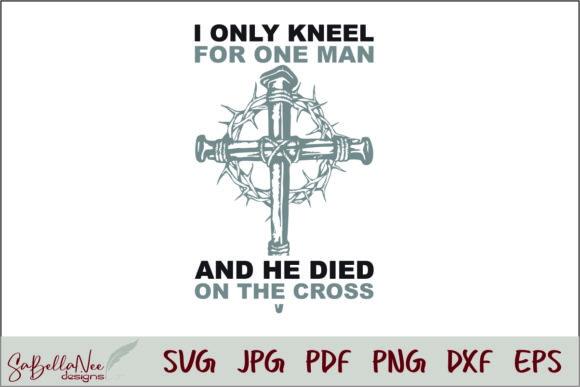
Kneeling is one of the most powerful and complex gestures a human being can make. It involves lowering the body, reducing physical stature, and placing oneself in a position of vulnerability. Yet, despite—or perhaps because of—this vulnerability, kneeling carries immense weight. It can signal deep reverence, political protest, personal commitment, or cultural tradition. The phrase "I only kneel" suggests a deliberate, principled stance: that the act of kneeling is reserved for something or someone deemed worthy. This article explores the full spectrum of kneeling, from its ancient roots to its modern-day applications, helping you understand why this single posture remains so significant across cultures, religions, and social movements.
What Does It Mean to Kneel? The Anatomy of a Gesture
At its core, kneeling is a conscious lowering of the body to the ground, typically with one or both knees touching the surface. Physically, it places a person below the level of those standing, creating a clear visual hierarchy. Psychologically, it involves surrender of ego and physical comfort. This combination makes kneeling a uniquely potent nonverbal communication tool.
Kneeling can express:
- Subordination: Acknowledging another's authority or power
- Devotion: Showing deep faith or loyalty
- Supplication: Begging for mercy, help, or forgiveness
- Respect: Honoring an individual, institution, or ideal
- Protest: Challenging systems of power while maintaining dignity
The context and intent behind the gesture determine its meaning. The same physical act can be interpreted as humble or defiant, depending on when, where, and why it occurs.
Religious and Spiritual Significance
Kneeling has been a central posture in religious practice for millennia. In Christianity, kneeling during prayer symbolizes humility before God. The act is described in both the Old and New Testaments, often associated with worship, petition, or confession. In Islam, while sujood (prostration) involves the forehead touching the ground, kneeling (juloos) is an integral part of the prayer sequence, representing both submission and readiness.
In Buddhism, kneeling (often in a sitting posture on the heels, called seiza in Japan) is used during meditation and ceremonies to show respect to the Buddha and the sangha (community). Hinduism also incorporates kneeling in devotional practices, particularly in temple rituals and before gurus.
Across these traditions, kneeling is not merely a physical act but an embodied expression of faith. It reminds the practitioner of their place in a larger cosmic order and cultivates a mindset of receptivity and humility.
Royal Courts and Feudal Systems
In medieval Europe, kneeling was a formalized gesture within feudal hierarchies. A vassal would kneel before his lord during the ceremony of homage, placing his hands between the lord's hands to signify loyalty and service. This act, known as commendation, was both a legal and symbolic bond.
Similarly, knights knelt before their sovereign during dubbing ceremonies, receiving their title and responsibilities. The gesture acknowledged the king's authority while also elevating the knight to a new status. In this context, kneeling was not purely submissive—it was also a rite of passage.
Kneeling in Art and Literature
Artists and writers have long used kneeling to convey emotional depth. In paintings, kneeling figures often appear in scenes of worship, supplication, or mourning. The famous sculpture The Pietà by Michelangelo, while not depicting kneeling directly, evokes the same spirit of reverent sorrow. In literature, characters kneel to propose marriage, beg for pardon, or demonstrate ultimate loyalty. The phrase "I only kneel" echoes this literary tradition, suggesting a character who reserves the act for a singular, profound purpose.
The Kneeling Protest: A Global Symbol
Perhaps the most globally recognized modern example of kneeling is its use as a form of peaceful protest. In 2016, NFL quarterback Colin Kaepernick knelt during the U.S. national anthem to draw attention to police brutality and racial injustice. This act sparked intense debate and inspired athletes, activists, and ordinary citizens worldwide.
What made Kaepernick's kneeling so powerful was its symbolic reappropriation. Traditionally, kneeling before a flag or anthem signifies loyalty. By kneeling, Kaepernick used a gesture of humility to challenge authority, creating a profound tension that demanded attention. The act became a semantic flashpoint—supporters saw it as a call for justice; critics saw it as disrespect.
This example illustrates how kneeling can carry multiple, contradictory meanings simultaneously. The same physical posture can be interpreted entirely differently depending on the observer's perspective and the context in which it occurs.
Kneeling in Everyday Life: Proposals, Ceremonies, and Respect
Outside of high-profile protests, kneeling remains a common part of daily life:
- Marriage proposals: Kneeling on one knee is the classic gesture of asking for someone's hand, symbolizing devotion and willingness to commit.
- Kneeling to children: Parents or teachers often kneel to speak to children at eye level, showing respect and creating connection.
- Workplace and service: In some cultures, kneeling to serve food, attend to guests, or perform certain tasks is a sign of respect and professionalism.
- Kneeling in prayer: Many people continue to kneel during private or communal prayer, maintaining a tradition that spans centuries.
These everyday uses show that kneeling is not solely a grand, symbolic gesture—it is also a practical tool for connection and respect.
Kneeling in Fitness and Health
Interestingly, kneeling has also entered the vocabulary of physical fitness. Kneeling exercises (such as kneeling push-ups, lunges, and stretches) are used to build strength, improve mobility, and reduce pressure on the lower back. In yoga, kneeling poses like Vajrasana (thunderbolt pose) aid digestion and promote calm. This practical dimension adds another layer to our understanding: kneeling can be a functional, health-promoting posture as well as a symbolic one.
The Power of Vulnerability
When you kneel, you make yourself physically smaller and more exposed. This voluntary vulnerability can be deeply disarming, both for the person kneeling and for those witnessing the act. Research in social psychology suggests that gestures of submission can actually build trust and rapport, as they signal a willingness to place oneself in another's hands.
At the same time, kneeling in protest uses vulnerability as strength. By lowering the body, protesters draw attention to their cause and challenge the viewer to reconsider power dynamics. The contrast between physical submission and moral authority creates a powerful rhetorical effect.
Cultural Variations and Misunderstandings
It is important to recognize that kneeling is not interpreted the same way everywhere. In East Asian cultures, bowing (which can include kneeling, as in the Korean jeol or Chinese koutou) is a nuanced system of respect with specific rules based on age, status, and context. In Western cultures, kneeling is less codified but still carries strong associations with religion, romance, and protest.
Common misunderstandings arise when people assume a universal meaning for kneeling. For instance, a person who kneels during a national anthem might be seen as patriotic by some and disrespectful by others, not because the act itself changes, but because the cultural and political lens through which it is viewed differs. Clarifying the intent behind the gesture is essential for mutual understanding.
Clarifying Common Misconceptions About Kneeling
Despite its familiarity, kneeling is often misunderstood. Here are some important clarifications:
- Kneeling is not always a sign of weakness. It can be a deliberate, strategic act of strength and conviction.
- Kneeling is not always religious. While it has deep religious roots, it is used in secular contexts regularly.
- Kneeling does not mean agreement. A person might kneel in protest precisely because they disagree with the status quo.
- Kneeling does not erase individuality. Many who kneel do so as a collective act while maintaining their unique voice.
Understanding these nuances helps us move beyond surface-level interpretations and appreciate kneeling as a rich, multifaceted human expression.
In Business and Leadership
Some leaders consciously use kneeling to break down hierarchy and build rapport. A manager who kneels to speak with a team member working at a low desk, or a CEO who kneels during a moment of silence for a fallen colleague, demonstrates empathy and authenticity. In this sense, kneeling becomes a leadership tool for fostering connection and trust.
In Education and Parenting
Teachers and parents who kneel to interact with children create a space of equality and attention. This simple act can improve communication, reduce power imbalances, and make children feel heard. It aligns with modern educational philosophies that emphasize respect for the child's perspective.
In Creativity and Performance
Kneeling appears frequently in theater, film, and dance. It can convey a character's inner turmoil, devotion, or transformation. Choreographers use kneeling as a dynamic visual element, and directors use it to establish dramatic tension. In music, performers sometimes kneel during songs to connect with the audience or emphasize a lyrical theme.
Practical Relevance: When and Why You Might Choose to Kneel
Understanding the power of kneeling can help you make intentional choices about when to use it. Consider these practical scenarios:
- To show deep respect: At a ceremony, memorial, or important meeting, kneeling can convey sincerity that words alone cannot.
- To build connection: Kneeling to someone's eye level—a child, a colleague, or a person in distress—signals that you are fully present.
- To make a statement: Whether in protest or in solidarity, kneeling can draw attention to a cause and demonstrate commitment.
- To practice humility: In personal or spiritual practice, kneeling can help cultivate a mindset of openness and gratitude.
Of course, kneeling is not always appropriate. Context, culture, and relationships matter. But when used thoughtfully, it remains one of the most meaningful gestures available to us.
Conclusion: The Enduring Significance of Kneeling
Kneeling is far more than a simple physical act. It is a language of the body that speaks of humility, resistance, devotion, respect, and connection. From ancient temples to modern stadiums, from royal courts to living rooms, kneeling continues to shape how we relate to one another and to the values we hold dear.
The phrase "I only kneel" captures the deliberate nature of this gesture. It implies that kneeling is not casual or automatic; it is a choice reserved for what matters most. By understanding the history, symbolism, and practical relevance of kneeling, we gain a deeper appreciation for this powerful human movement—and for the profound statements it can make, even in silence.
Whether you kneel in prayer, in protest, in joy, or in solidarity, you are participating in a tradition as old as humanity itself. And that, perhaps, is why kneeling remains so compelling: it is a gesture that speaks across time, culture, and belief, reminding us of our shared humanity and the many ways we choose to honor it.