The God Is Not Dead Religious T-Shirt Design: More Than a Statement – A Movement of Faith
Walk into any youth group gathering, Christian conference, or even a university campus, and you are likely to see it: a bold, unapologetic T-shirt emblazoned with the words "God Is Not Dead." It is more than a piece of fabric. It is a proclamation, a conversation starter, and for many, a deeply personal expression of faith. In a world that often questions, challenges, or dismisses belief in a higher power, the God Is Not Dead religious T-shirt design has emerged as a powerful tool for witness, identity, and cultural engagement.
This article explores the purpose, significance, and practical relevance of these designs. Whether you are a believer looking to understand the movement better, a designer seeking inspiration, or someone curious about the meaning behind the message, we will break down everything you need to know about the God Is Not Dead T-shirt phenomenon – from its roots in modern apologetics to its place in everyday fashion.
What Does "God Is Not Dead" Really Mean?
The phrase "God is not dead" carries a rich theological and cultural history. While it may sound like a modern slogan, its roots stretch back to philosophical debates of the 19th century, most notably associated with the German philosopher Friedrich Nietzsche, who famously declared "God is dead" to signal the decline of traditional religious authority in the West. For Christians and other theists, the phrase has been reclaimed as a defiant affirmation of faith: God is alive, active, and relevant.
In a religious T-shirt design context, "God Is Not Dead" serves as a bold rebuttal to secular narratives that relegate faith to the margins of public life. It declares that belief in God is not only intellectually viable but also personally transformative. The phrase has been popularized in recent years by books, films, and particularly the God's Not Dead film series, which follows college students and professionals defending their faith in academic settings. This media ecosystem has made the phrase instantly recognizable and deeply meaningful for millions of believers worldwide.
The Deeper Theological Significance
At its core, the message is about the resurrection and the living nature of God. For Christians, the claim that "God is not dead" points directly to the central tenet of their faith: Jesus Christ rose from the dead. It is a declaration that God is not a distant, inactive concept but a present, relational being. Wearing this message on a T-shirt is a way of saying: "My faith is alive, and so is the God I serve."
It also serves as a reminder to the wearer. In moments of doubt, struggle, or social pressure, seeing the words on your own chest can be a personal anchor. It reinforces the belief that despite what the world may say, God is still sovereign, still good, and still very much present.
Why the "God Is Not Dead" Design Resonates in Modern Faith Culture
The popularity of this T-shirt design is not accidental. It taps into several key dynamics of contemporary religious life:
- Apologetic Boldness: In an age where faith is often privatized, wearing a bold statement invites discussion. The design equips believers to engage in gentle, respectful conversations about why they believe.
- Community and Identity: Seeing someone else wear the same design creates an instant bond. It signals, "You are not alone in your faith." This is especially powerful for students on secular campuses or professionals in secular workplaces.
- Cultural Relevance: The phrase responds directly to a cultural narrative. By wearing it, a person engages with the broader conversation about faith and doubt that many people are having today.
- Personal Affirmation: For the wearer, it is a daily declaration of conviction. It can strengthen personal faith and serve as a reminder of one's core beliefs in a distracting world.
Design Elements: What Makes a Great "God Is Not Dead" T-Shirt?
Not all designs are created equal. A well-crafted God Is Not Dead religious T-shirt design balances visual appeal, readability, and theological resonance. Here are the common design approaches you will encounter:
Typography-Driven Designs
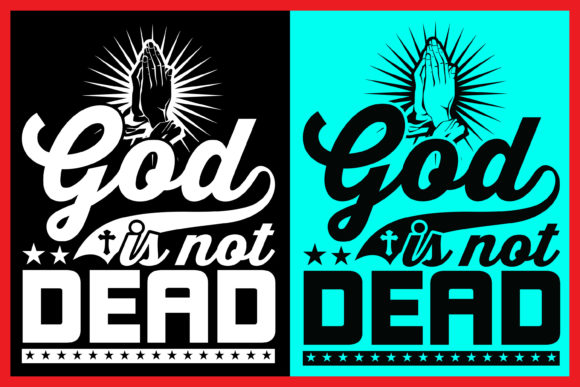
Many shirts rely on bold, impactful lettering. The words "God Is Not Dead" are often rendered in a strong serif or sans-serif font, sometimes with a vintage or distressed look. A popular variation uses a "redacted" style, where the word "dead" is crossed out or struck through, emphasizing the negation. This simple visual cue reinforces the message: death has no hold on God.
Symbolic Imagery
Common symbols paired with the phrase include:
- Crosses and empty tombs: Direct references to the resurrection.
- Lions: Symbolizing the "Lion of Judah" and God's strength and kingship.
- Light and darkness: Images of light breaking through darkness, reflecting John 1:5.
- Ascending doves or rays of light: Representing hope, peace, and divine presence.
- Scripture references: Verses like Matthew 28:6 ("He is not here; He has risen!") are often integrated.
Minimalist vs. Bold
Designs range from subtle, minimalist typography in muted tones to full-color, graphic-heavy illustrations. Minimalist styles appeal to those who want a quieter witness, while bold, graphic styles are perfect for events, rallies, and making a clear statement from across the room.
Practical Relevance: How to Wear and Use These Designs in Daily Life
The God Is Not Dead T-shirt is not just for Sunday mornings or church events. Its power lies in its everyday relevance. Here is how people are integrating it into modern life:
On Campus and at Work
For students, wearing the design to class can be a gentle but clear statement of identity. It can spark conversations with classmates who have questions about faith. In professional settings – when dress codes allow – it can serve as a subtle reminder of one's values. Many believers report that these shirts have opened doors to meaningful discussions with colleagues and peers.
At Community Events and Outreach
Church groups, youth ministries, and parachurch organizations often use custom God Is Not Dead T-shirts for outreach events, mission trips, and public gatherings. They create visual unity and make the group approachable. When a team wears matching shirts at a community service project or a public rally, the message becomes part of a collective witness.
In Fitness and Recreation
Another interesting trend is the use of faith-based apparel in fitness contexts. Wearing a God Is Not Dead shirt to the gym or on a run combines physical discipline with spiritual declaration. It reminds the wearer and observes that strength and perseverance have a spiritual dimension.
As a Gift of Encouragement
These T-shirts have become popular gifts for milestones such as baptisms, confirmations, graduations, or times of personal struggle. Giving someone a shirt with this message is a way of saying, "I believe in your faith, and I am standing with you."
Common Misunderstandings – What the Design Does Not Mean
As with any popular statement, there are assumptions and misunderstandings that deserve clarification. Here are a few:
- It is not about being argumentative. Some assume that wearing a bold religious statement means the wearer is looking for a fight. In reality, most wearers see it as an invitation to gracious conversation, not confrontation.
- It is not a claim that Christians have all the answers. The message is a confession of faith, not a declaration of intellectual superiority. It humbly asserts that God is alive, even when we do not understand everything.
- It is not exclusive to one denomination. While most common among evangelical Christians, the message resonates across many Christian traditions, including Catholic, Orthodox, and mainline Protestant communities.
- It is not a fashion statement without substance. For many, the T-shirt is a meaningful expression of core belief, not a trivial trend. It carries weight and intention.
How "God Is Not Dead" T-Shirt Design Connects to Broader Culture
Faith-based apparel has grown into a significant niche within the fashion and retail industries. The God Is Not Dead design sits within a larger ecosystem of Christian T-shirts, hoodies, hats, and accessories that blend theology with personal style. Brands like Not Of This World, Kerusso, and Sevenly have built entire catalogs around designs that let believers wear their faith with pride.
What sets the God Is Not Dead design apart is its direct engagement with a philosophical and cultural question. It is not just a reference to a Bible verse or a generic faith statement; it is a response to a specific challenge. This makes it particularly relevant in educational settings, public discourse, and any environment where worldviews collide.
Moreover, the design has crossed over into mainstream visibility. Celebrities, athletes, and public figures have been seen wearing versions of the message, further amplifying its reach. Whether at a music festival, a sports event, or a political rally, the phrase has become a recognizable part of the cultural landscape.
Choosing the Right Design: What to Look For
If you are considering purchasing or creating a God Is Not Dead religious T-shirt, here are some practical tips:
- Quality matters: Look for shirts made from comfortable, durable fabrics. A great message is wasted on a shirt that fades or shrinks after one wash.
- Design clarity: The message should be legible from a distance. Avoid overly busy graphics that distract from the core statement.
- Authenticity: Choose designs that genuinely reflect your faith, not just what is trendy. The shirt should be an honest expression of what you believe.
- Responsible sourcing: Many faith-based brands now prioritize ethical manufacturing. Supporting companies that align with your values adds another layer of integrity to your witness.
The Future of Faith-Based Apparel and the "God Is Not Dead" Design
As culture continues to shift, the ways believers express their faith will evolve as well. The God Is Not Dead T-shirt design has proven to be remarkably resilient because it addresses a timeless question: Is God real and relevant? As long as that question is asked, the answer "God is not dead" will remain powerful.
We are likely to see more creative interpretations of the design – incorporating modern art styles, sustainable materials, and digital integration (such as QR codes linking to apologetics content). But the core message will remain unchanged. It is a declaration that transcends trends and speaks to the deepest human longings for meaning, hope, and connection with the divine.
Conclusion: Wearing Your Faith with Conviction and Grace
The God Is Not Dead religious T-shirt design is far more than a piece of clothing. It is a testament to the enduring power of faith in a skeptical world. It gives believers a tangible way to affirm that God is alive, that truth matters, and that personal conviction can be expressed with both boldness and humility.
Whether you are wearing one to a campus lecture, a community picnic, or simply running errands, you are participating in a long tradition of public witness. You are saying, without uttering a word, that faith is not something to be hidden. And you are inviting others – friends, strangers, skeptics – to consider the possibility that God is, indeed, not dead.
In a world hungry for authentic meaning, that is a message worth wearing.