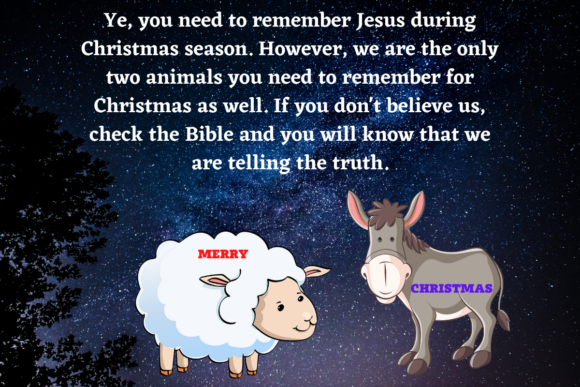
The Christmas Animals: A Practical Evaluation of a Seasonal Design Asset
Seasonal design assets fill a specific need for creators, marketers, and small business owners who want to produce timely content without reinventing the wheel every holiday season. Among the many themed collections available, The Christmas Animals has drawn attention for its approach to combining winter holiday motifs with animal illustrations. Whether you are a blogger planning December content, a freelancer building client deliverables, or an entrepreneur refreshing your brand's seasonal look, understanding what this collection offers and how it performs in actual use is worth examining.
What Exactly Is The Christmas Animals?
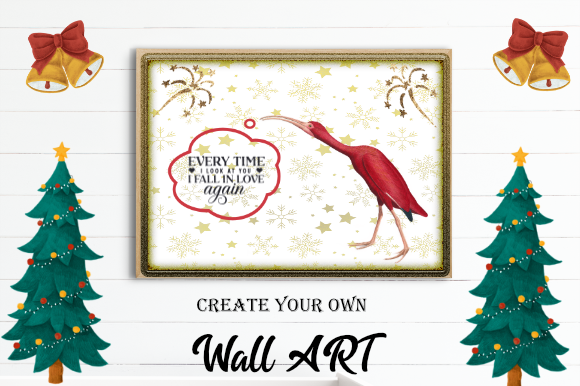
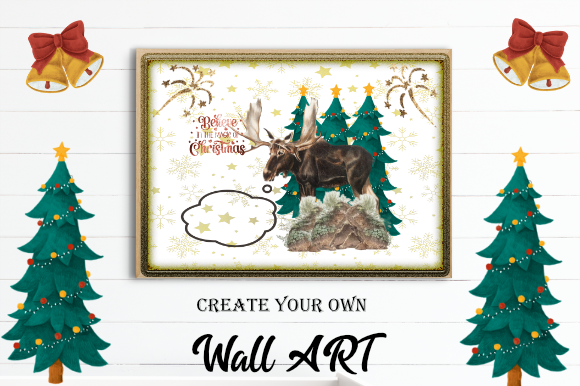
The Christmas Animals is a curated set of visual assets that center on animals in holiday settings. It typically includes illustrations, vectors, or design elements featuring creatures such as reindeer, foxes, owls, penguins, rabbits, and other wildlife, styled with Christmas accessories like scarves, Santa hats, wreaths, or string lights. The collection is most commonly found as a downloadable package for use in digital design, print materials, social media graphics, and web content.
What distinguishes this collection from generic holiday clip art is its focused thematic consistency and attention to animal behavior and anatomy. The animals are not simply placed against Christmas backdrops; they are integrated into winter scenes that feel natural rather than forced. This makes the collection more suitable for projects where authenticity and aesthetic appeal matter, such as children's content, educational materials, or brand storytelling.
Defining Features and Design Philosophy
The collection's strength lies in its balanced approach between festive cheer and natural representation. Animals are illustrated in poses that reflect their real-world characteristics, while holiday elements are used sparingly enough to avoid visual clutter. This restraint is notable because many seasonal assets tend to overload scenes with decorations, which can make the final output look busy or kitschy.
Key characteristics include:
- Detailed linework and shading that gives depth to each animal without making the files too heavy for web use.
- Neutral color palettes with warm winter tones, avoiding overly bright or saturated hues that clash with varied brand color schemes.
- Scalable vector formats that maintain clarity from small social media icons to full-page print layouts.
- Transparent backgrounds in most assets, allowing for easy layering onto existing designs or photographs.
The design philosophy appears to prioritize longevity. These assets do not rely on fleeting trends like specific font styles or ultra-minimalist aesthetics. Instead, they use classic illustration techniques that remain effective across multiple seasons, which increases their practical value over time.
Real-World Performance and Usability
In practical use, The Christmas Animals performs reliably across common design workflows. Users report that importing the assets into tools such as Canva, Adobe Illustrator, Affinity Designer, or even presentation software like PowerPoint and Keynote is straightforward. The file formats typically include SVG, PNG, and EPS, which cover the majority of professional and amateur design environments.
One realistic example involves a freelance content creator preparing a series of holiday-themed blog posts. Instead of commissioning original illustrations for each article, the creator selects animal characters that match the topic. A post about winter hiking safety might feature a fox in a snowy forest, while a piece on cozy family recipes could use a rabbit near a fireplace. This kind of thematic matching saves time and keeps the visual narrative consistent across the content calendar.
For small business owners, the collection offers a way to refresh seasonal marketing materials without a large budget. A local bakery could use an illustrated hedgehog holding a gingerbread cookie for an Instagram post, then repurpose the same asset for a printed flyer. Since the files are resolution-independent in vector format, scaling does not degrade quality.
Usability extends to those who are not professional designers. The transparent backgrounds and pre-colored elements reduce the need for editing skills. Most users can drop an asset directly onto a solid background, add text, and produce a polished result in under ten minutes. This accessibility is a clear advantage for entrepreneurs and educators who need to create content quickly.
Flexibility Across Different Projects and Audiences
The versatility of The Christmas Animals becomes apparent when examining the range of projects it can support. Beyond typical marketing uses, the collection works well in:
- Educational worksheets and activity sheets for young learners during the winter season.
- Digital planners and calendars where monthly or weekly spreads need subtle seasonal decorations.
- Newsletter headers and email templates that require a friendly, non-corporate tone.
- Product labels and packaging for small-batch holiday goods such as candles, soaps, or treats.
- Print-on-demand items like cards, mugs, and tote bags for online storefronts.
The flexibility also extends to audience targeting. Children respond well to the animal characters, but the illustration style is not overly juvenile. Adults find the artwork charming without feeling patronizing, which makes it suitable for family-oriented brands, lifestyle bloggers, and even lighthearted corporate communications.
Content creators targeting niche audiences will find particular value. For example, a wildlife blogger who normally posts about conservation can use these animal illustrations to create holiday-themed content that stays true to their core topic. The collection allows them to participate in seasonal trends without abandoning their subject matter expertise.
Quality and Consistency in Execution
Quality across a large asset collection can vary widely, but The Christmas Animals maintains a consistent level of execution. The line weights are uniform, the color palettes remain cohesive, and the holiday accessories match the scale and style of each animal. This consistency means that using multiple assets together in one design does not result in a mismatched or amateur look.
The attention to animal anatomy deserves mention. For instance, a reindeer illustration correctly reflects antler structure and body proportions, while a penguin is drawn with appropriate feather textures and posture. This detail matters for educators or publishers producing factual content, as it prevents the spread of visual misinformation about animals. It also elevates the collection above generic clip art, where animals are often simplified to the point of being unrecognizable or anatomically incorrect.
In terms of presentation, the assets are organized in a logical folder structure, typically grouped by animal type or by overarching theme such as "forest animals" or "polar animals." This organization reduces time spent searching for the right element and contributes to a smoother workflow.
Who Benefits Most from This Collection
While the collection is broadly useful, certain users will extract the most value from it.
Freelance designers and creative agencies can leverage the assets to meet client deadlines during the busy holiday season. Instead of spending hours on custom illustration, they can adapt existing assets to fit a client's brand guidelines, saving time while still delivering bespoke-feeling results.
Bloggers and content creators who publish regularly during November and December will appreciate the ability to produce visually consistent content across multiple posts. The collection reduces the need to source new images for every article, which speeds up production and lowers costs.
Small business owners and e-commerce entrepreneurs will find the collection beneficial for creating seasonal promotions, product photos, and social media graphics without hiring a graphic designer. The low learning curve allows them to focus on other aspects of running their business.
Educators and homeschool parents can use the assets for classroom materials, craft templates, and holiday-themed learning activities. The realistic yet friendly animal depictions support both educational goals and festive spirit.
Publishers of children's books or magazines may use the illustrations as part of smaller projects, supplements, or promotional materials, though full book illustration would likely require additional customization.
Practical Limitations to Consider
No asset collection is perfect, and The Christmas Animals has limitations that users should consider before purchasing.
The collection is seasonal by nature. While the illustrations can be used in non-holiday contexts by removing Christmas accessories, the intended value peaks during November through January. Users looking for year-round animal illustrations may find the selection too narrow outside that window.
Cultural specificity is another limitation. The Christmas themes are squarely rooted in Western winter holiday traditions. Creators working with multicultural audiences, or those in regions where Christmas is not the dominant winter celebration, may need to supplement the collection with additional assets to reflect diverse traditions.
Customization options are somewhat limited if the assets are distributed in flat color or pre-shaded formats. Users who want to completely change the color palette or add complex background elements will need intermediate design skills. The collection is not intended for deep customization out of the box.
Finally, the number of unique animal species included may not satisfy users looking for very specific creatures. Common holiday animals such as reindeer and penguins are well represented, but less typical animals may be absent, depending on the specific set.
Recommendations for Getting the Most Out of The Christmas Animals
To maximize the value of this collection, users should plan its integration into their content strategy before the holiday season begins. Identify the posts, products, or campaigns that will benefit from visual assets, then map each asset to a specific use case. This upfront planning prevents last-minute scrambling and ensures cohesive branding.
For designers, consider using the assets as base elements that can be layered with custom textures, patterns, or typography. This approach preserves the time-saving benefits of the collection while adding a personalized touch that distinguishes your work from others using the same assets.
For non-designers, start with simple layouts. Place a single animal asset against a clean background, add a short headline, and use consistent fonts. This restrained approach produces professional results without overwhelming the composition.
Also worth noting is that the assets can be repurposed year after year. Store them in a well-organized digital folder, and revisit them each November. This repeat usage improves the return on investment and makes the collection a recurring resource rather than a one-time purchase.
In sum, The Christmas Animals occupies a useful middle ground in the seasonal asset market. It is not the cheapest option available, nor is it the most elaborate. What it offers is thoughtful execution, consistent quality, and genuine utility for a wide range of professionals and creators. When evaluated against the real needs of content production during the holiday season, it stands as a practical tool that delivers on its promises without unnecessary fluff. For those who regularly create seasonal content and value efficiency without sacrificing visual appeal, this collection is worth a close look.