Hunting T Shirt Design: Blending Outdoor Passion with Everyday Wear
Hunting t shirt design is more than just a graphic on fabric. It’s a way for people to carry their outdoor identity into daily life, whether they’re in the field, at a campfire, or grabbing coffee before heading to work. For adults between their twenties and fifties, these shirts serve as a subtle badge of experience, a conversation starter, or even a practical piece of gear that pulls double duty. The design of a hunting-themed shirt often reflects far more than a hobby — it captures a mindset, a seasonal rhythm, and a connection to the land.
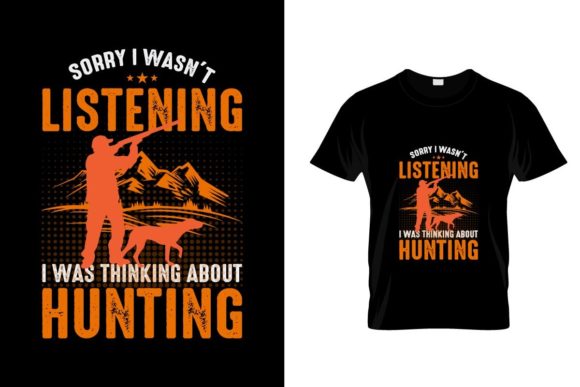
When done right, hunting t shirt design becomes a form of storytelling. A well-placed silhouette of a whitetail buck, the outline of a mountain range, or a minimalist sketch of a retriever can immediately communicate shared experiences with other hunters. At the same time, these designs can remain understated enough for someone who simply appreciates the outdoors but hasn’t spent a season in a deer stand. This balance is crucial, because the audience for hunting t shirt design isn’t a monolith. It includes the bowhunter who practices year-round, the casual turkey hunter who goes once a season, the gear tester, the conservation volunteer, and even the person who just likes the aesthetic of pine forests and antlers.
Real-World Scenarios Where Hunting T Shirt Design Comes to Life
Consider the hunter who spends opening weekend in a remote camp. They want a shirt that breathes, resists odor, and doesn’t snag on branches — but they also want something that feels like theirs. A hunting t shirt design that includes a favorite call brand, a lodge logo, or a custom state outline can turn a simple shirt into a piece of gear that builds morale. That same shirt might later be worn at a processing event, where it draws nods from others who know exactly which ridge that terrain represents.
On the other end of the spectrum, there’s the dad who no longer hunts as often but wants to keep that part of his identity visible. He reaches for a faded shirt with a clean, retro-style duck design when he picks up his kid from school or runs errands on a Saturday. For him, hunting t shirt design is about continuity. It keeps a thread of his past alive without requiring him to be in the woods every weekend. These shirts become emotional anchors, especially when the design references a particular season or a hunt shared with family.
The Active Hunter
For someone who spends serious time in the field, the shirt needs to function under a vest or jacket. Designs here tend to favor placement that doesn’t interfere with movement — a small chest print or a back yoke graphic. Camo patterns that blend with specific environments (mossy oak, realtree, or minimalist digital camo) are popular, but so are designs that offer high-visibility elements like blaze orange accents. These aren’t just stylistic choices; they can be safety considerations when a shirt doubles as an outer layer during firearm season.
The Outdoor Enthusiast and Casual Hunter
This group often leans toward designs that are more artistic. Watercolor-style wildlife, topographic maps, or vintage woodcut illustrations of game animals appeal because they feel less like gear and more like personal style. The hunting t shirt design here might feature a subtle compass rose, a quote from Aldo Leopold, or a silhouette of a hunter walking through fog. These shirts work in a wider range of social settings — from a casual Friday at work to a friend’s barbecue — without screaming “hunter” at everyone in the room.
The Brand or Outfitter
Guides, hunting lodges, and conservation organizations frequently use hunting t shirt design as a marketing tool. A well-designed shirt becomes a walking billboard, but it has to earn the right to be worn. Hunters are notoriously picky about what they’ll put on their backs. If the fit is boxy, the fabric stiff, or the design too busy, that shirt ends up in the bottom of a drawer. Successful outfitter designs lean into local identity — specific river systems, mountain ranges, or species that are unique to that area. The design feels exclusive because it is; you can’t buy it at a big-box store.
The Gift Buyer
Spouses, children, and friends often look for hunting t shirt designs that honor someone’s passion without being overly literal. This is where humor can work well — a clever pun about being a “camo-flauge enthusiast” or a minimal line drawing of a duck with a coffee cup. The key insight for this audience is that the design should reflect how the wearer sees themselves, not how others see them. A gift shirt that captures a specific inside joke from a hunting trip often gets worn more than one with a generic buck graphic.
Practical Considerations Before Choosing or Creating a Hunting T Shirt Design
Fabric weight matters more than most people think. Lightweight cotton blends are comfortable in early season warmth but soak through quickly in rain or sweat. Performance blends with moisture-wicking properties are better for active days, though they can hold onto odor if not treated. For design longevity, the printing method makes a noticeable difference. Screen printing holds up well on thick cotton but can crack on stretchy athletic fabrics. Direct-to-garment (DTG) prints offer finer detail for complex illustrations but may fade faster with repeated washing. Embroidery, while less common on t-shirts, works beautifully for small logos or initials on a pocket area.
Design placement also affects wearability. A large full-back graphic looks dramatic but can feel stiff against the lower back when sitting in a truck or on a stool. Smaller, well-positioned designs on the left chest or upper back tend to be more comfortable for everyday use. For hunters who layer, a print that sits too high on the shoulder might rub against a pack strap. These details might seem small, but they determine whether a shirt becomes a favorite or an afterthought.
Color choice is another subtle but critical factor. Earth tones like brown, olive, tan, and slate gray dominate because they don’t clash with camo and they hide dirt well. But there’s also a growing market for charcoal and black base shirts with bold, high-contrast designs — especially among younger hunters who want a more modern, streetwear-inspired look. The risk with very dark shirts is that detail can get lost, especially in low-light conditions around a campfire. On the flip side, white or light gray shirts show every stain from blood, mud, and coffee, which can be a dealbreaker for practical use.
Strengths and Limitations of Hunting T Shirt Design
The greatest strength of a carefully thought-out hunting t shirt design is its ability to create connection. It can start a conversation between strangers at a gas station who discover they hunt the same WMA. It can signal to a fellow hunter that you understand the ethics of fair chase or the patience required for calling elk. It can even serve as a quiet memorial to a passed hunting partner when the design includes a date or coordinates of a special spot. These shirts carry stories.
At the same time, hunting t shirt design has limitations. The niche audience means that many designs lean heavily on clichés — antlers, guns, ducks, and the word “outfitter” slapped on everything. Standing out requires restraint. Another limitation is durability in field conditions. Even the best print will eventually fade or crack if the shirt is worn hard, washed with bleach, or left in the sun on a truck dashboard. Some hunters solve this by rotating between several designs so no single shirt takes all the abuse.
There’s also the cultural nuance to consider. Not every setting welcomes overt hunting imagery. Someone might love their hunting t shirt design for camp but choose a more neutral shirt for a parent-teacher conference or a work meeting. That’s not a flaw in the design — it’s a reflection of context. The best designs acknowledge this by offering options that range from bold and graphic to subtle and understated, so the same person can own both without feeling like they’re hiding who they are.
How Different Users Extract Value from the Same Type of Design
A brand manager and a solo hunter might buy the same hunting t shirt design for completely different reasons. The brand manager wants recognition, consistency, and a design that looks good in photos for social media. The solo hunter wants comfort, durability, and a design that expresses personal pride without being loud. Both can find what they need in the same shirt if the design is balanced. That’s the sweet spot — a design that works as a uniform and as a personal statement at the same time.
Another example: a group of friends who hunt together every year might commission a custom hunting t shirt design that includes inside jokes, dates, and a specific game species. For them, the shirt is a yearbook and a trophy rolled into one. They wear it on the last night of camp, during the drive home, and on random Sundays months later. The design doesn’t need to appeal to anyone else. Its value is entirely relational.
For retailers, hunting t shirt design is often a gateway product. A customer might walk in for a shirt and end up buying a hat, a decal, or even a piece of gear. The design needs to be compelling enough to stop someone scrolling online or browsing a booth at a sports show. That’s where creativity and understanding of the audience pay off. A lazy design gets ignored. A thoughtful one earns a sale and free advertising every time it’s worn.
Wrapping the Design Around Real Life
Hunting t shirt design isn’t just about what looks cool on a mockup. It’s about how the shirt feels after a long day, how it holds up after a dozen washes, and how the person wearing it feels when they catch their reflection. For the 20-year-old who just bagged their first buck, it’s a badge of accomplishment. For the 50-year-old who has been doing this for three decades, it might be a quiet nod to seasons past. Both deserve a design that respects their experience.
The best hunting t shirt designs don’t try to be everything to everyone. They understand the context — whether that’s a muddy boat ride, a chilly November morning, or a backyard grillout with friends who also know the feel of wet wool and the sound of leaves crunching. When the design gets that right, the shirt becomes more than clothing. It becomes part of the story.