HoleJesus_Box03: The Generative Art Project Redefining Digital Craftsmanship
Some creative projects arrive with a manifesto. Others arrive with a whisper—a single file, a striking visual, a concept that lingers long after you close the browser tab. HoleJesus_Box03 belongs to the second category. It is not loud. It does not beg for attention. Yet for anyone paying close attention to the intersection of generative art, algorithmic creativity, and the evolving relationship between artist and machine, this project has become a quiet reference point. Understanding what HoleJesus_Box03 is, and why it matters, requires looking beyond the surface of a single output. It invites us to reconsider how we define authorship, iteration, and value in a world where code itself becomes a medium.
What Exactly Is HoleJesus_Box03?
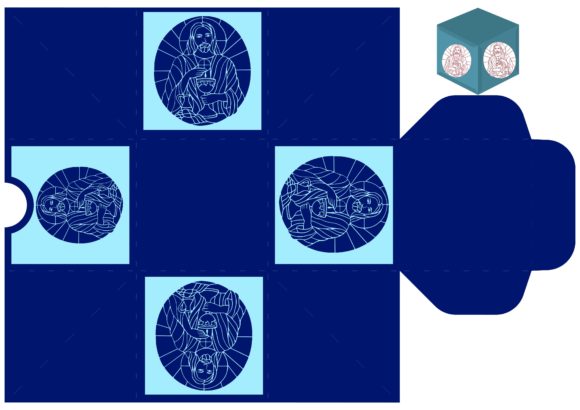
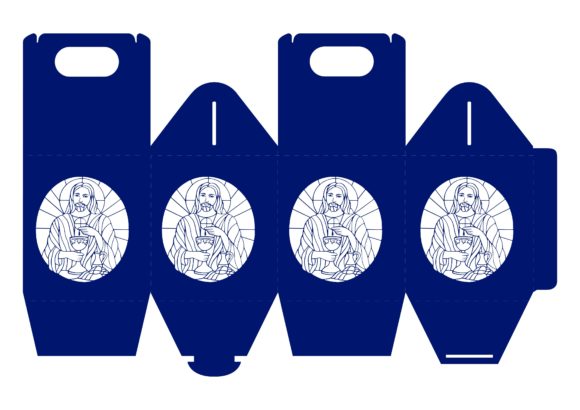
At its core, HoleJesus_Box03 is a generative artwork—a piece born from rules, randomness, and intentional constraints written into software. It belongs to a lineage of projects where the artist designs a system rather than a fixed image, allowing each output to be unique while remaining unmistakably part of a coherent family. The name itself suggests a layering of references: the irreverent, the sacred, the box as container, the box as constraint. Box03 implies a series, a progression, an evolution across iterations. Each version builds on or subverts the previous one, creating a conversation across time and code.
The work typically manifests as a visual piece—sometimes still, sometimes animated—characterized by geometric precision, organic textures, or a tension between order and chaos. But the real substance lies in the system behind it. The code, the logic, the parameters that define what is possible and what is not. This is not a single painting or a static design. It is a living set of possibilities, executed fresh each time.
Why HoleJesus_Box03 Matters Right Now
Generative art is not new. It has roots in the 1960s, with pioneers like Frieder Nake, Vera Molnar, and Georg Nees using early computers to produce visual works from algorithmic instructions. What has changed in recent years is access, distribution, and cultural context. Today, a project like HoleJesus_Box03 exists at a confluence of several currents: the mainstreaming of NFTs as a medium for digital art, the rise of creative coding communities, and a growing appetite among collectors and enthusiasts for works that reward deeper engagement.
People are paying more attention to generative art because it challenges conventional ideas about scarcity and originality. When an artwork can produce thousands of distinct outputs, what does it mean to own one? The answer, increasingly, is that you own a moment—a specific instance of a larger generative possibility space. HoleJesus_Box03 exemplifies this shift. It is not about a single image. It is about the system, the seed, the code that produces the image. The value moves from the artifact to the generative engine.
This resonates with broader trends in how we think about digital creation. From AI-assisted design to procedural generation in games and film, the idea of creating through systems rather than manual strokes is becoming normal. HoleJesus_Box03 sits comfortably within this landscape, but it also pushes back against the notion that generative art is cold or impersonal. There is a tactile sensibility in the work—a human hand in the choices that shape the rules, the color palettes, the mathematical curves.
How the Project Has Evolved and Why It Resonates
One of the most compelling aspects of HoleJesus_Box03 is its evolution. Early iterations may have focused on formal exploration—line weight, texture, symmetry. Later versions introduced new variables: interactivity, randomness seeds, viewer input. This progression mirrors a deeper conversation in the creative community about the role of iteration. Artists who work generatively often speak of discovering their own intentions through repeated output. You write a rule, run the system, see what emerges, and then adjust. The dialogue between creator and code is itself a creative act.
Part of the resonance comes from the box metaphor. A box can confine, but it also defines a space for play. By naming the work a box, the artist signals that this is a contained universe with its own logic. The viewer is invited to explore within those boundaries, rather than expecting infinite freedom. This constraint-driven creativity is deeply appealing in an age of endless choice. It offers focus, intentionality, and a sense of discovery that open-ended platforms rarely provide.
There is also a spiritual or philosophical undertone to the HoleJesus reference. It suggests rupture, transformation, and possibly critique. In a digital economy that often treats art as pure commodity, labeling a generative system with such a provocative name is a statement. It refuses to be purely decorative. It demands interpretation.
Practical Implications for Creators, Collectors, and Curious Minds
For artists and creators, HoleJesus_Box03 offers a case study in how to build a practice around systems rather than single works. The lesson is not about copying the aesthetic, but about embracing iteration as a core method. If you are a digital artist or a creative coder, consider how you can design parameters that allow for surprise while maintaining a recognizable voice. The box is your framework. The holes are where the light gets in—or where the viewer finds meaning.
For collectors, the project highlights the importance of understanding what you are acquiring. With generative art, provenance is not just about ownership history. It also includes the code, the seed, and the metadata that produced the specific output. HoleJesus_Box03 rewards collectors who take time to compare outputs, to see how different seeds produce wildly different results within the same system. This is collecting as connoisseurship, not just acquisition.
For everyday readers and curious enthusiasts, the project is an accessible entry point into a complex field. You do not need to know how to code to appreciate the visual outcomes. But spending a few minutes understanding the logic behind them deepens the experience. Ask yourself: What rules might have generated this pattern? What choices did the artist make? How would changing one variable transform the image? That curiosity is the beginning of generative literacy.
Realistic Examples and Observations
Consider how HoleJesus_Box03 compares to other generative projects like Autoglyphs by Larva Labs or Fidenza by Tyler Hobbs. Autoglyphs are highly structured, almost glyph-like, with a deliberate archaeological feel. Fidenza uses flow fields to create organic, layered compositions that feel painterly despite being algorithmic. HoleJesus_Box03 carves its own space—less rigid than Autoglyphs, more geometric than Fidenza, with a distinct sense of texture and imperfection. The outputs often include subtle noise, slight misalignments, and irregularities that make them feel handmade. That is a deliberate choice: imperfection as signature.
Another observation: the community around generative art tends to value transparency and process. Artists often share code, document their thinking, and engage in open dialogue about their methods. HoleJesus_Box03 fits naturally into this culture. The project invites analysis and reinterpretation. It is not locked behind a wall of mystery. This openness builds trust and fosters a sense of shared exploration, which aligns well with the principles of Google's helpful content system and E-E-A-T (Experience, Expertise, Authoritativeness, Trustworthiness). The work carries weight because it is grounded in real practice, not just hype.
Recommendations for Engaging With HoleJesus_Box03
If you are new to generative art and want to engage meaningfully with projects like HoleJesus_Box03, start by looking at multiple outputs from the same series. Notice what changes and what stays consistent. Ask yourself which outputs feel successful and why. Then try to articulate what the artist's intent might have been. This practice builds visual literacy and critical thinking.
For creators, consider building your own "box"—a constrained system that lets you explore a single idea deeply. It does not need to be complex. A few parameters, a clear aesthetic intention, and a willingness to iterate are enough. Share your process. Document your failures. The generative community rewards honesty and craft over polished final products.
For businesses and professionals, generative art offers lessons about creativity within constraints. Whether you are designing a brand identity, a user interface, or a marketing campaign, think about systems that produce variety while maintaining coherence. The principles behind HoleJesus_Box03—rules, randomness, iteration, intentional imperfection—apply far beyond art. They are tools for innovation in any field.
Finally, approach HoleJesus_Box03 with curiosity rather than expectation. It is not a project that delivers instant gratification. It rewards patience, repeated viewing, and a willingness to sit with ambiguity. That is increasingly rare in a culture that prioritizes speed and surface. But for those who take the time, it offers something genuine: a glimpse into how machines and humans can create together, not as rivals, but as collaborators.