Easter Religious Silhouette Good Friday: A Visual Devotion for Reflection and Faith
When you prepare for the most sacred week of the Christian calendar, finding the right visual language to convey both the solemnity of Good Friday and the hope of Easter can feel challenging. Words alone sometimes fall short. This is where the Easter Religious Silhouette Good Friday approach offers a powerful solution. By stripping away color and detail, silhouettes force the eye—and the heart—to focus on the essential forms: the cross, the empty tomb, the figures of sorrow and wonder. This article explores how you can use this visual tool to deepen your own reflection, enhance worship settings, and communicate the Easter story with clarity and emotional resonance.
Understanding the Easter Religious Silhouette Good Friday Concept
At its core, an Easter Religious Silhouette Good Friday artwork uses stark contrast between light and dark to depict key scenes from the Passion and Resurrection. The silhouette tradition is ancient, yet it remains remarkably effective for modern worship and personal devotion. The absence of facial features or background clutter invites viewers to project their own emotions and understanding onto the scene. This directness helps bridge the gap between the historical events of Good Friday and our present-day experience of faith.
Silhouettes work particularly well for the Easter story because the narrative itself is built on profound contrasts: darkness at the crucifixion followed by the light of the resurrection, sorrow transformed into joy, death overcome by life. The visual format mirrors the theological message.
Common Challenges in Communicating Good Friday and Easter
Whether you lead a congregation, teach children, or seek personal enrichment, you may face several difficulties when trying to convey the weight of these events:
- Emotional overload: Detailed depictions of the crucifixion can be too intense for young viewers or those grieving.
- Distraction: Busy images with multiple colors and figures can pull attention away from the central message.
- Accessibility: Some individuals process information better through simple, bold visuals rather than complex artwork or lengthy text.
- Limited resources: Not every church or home has access to professional artists or expensive decor.
The Easter Religious Silhouette Good Friday approach directly addresses each of these challenges. Its simplicity controls emotional intensity, its strong focal point eliminates distraction, its clarity aids comprehension, and its creation requires only basic materials or digital tools.
For Worship Leaders and Pastors
If you plan services for Holy Week, you need visuals that support the atmosphere of each moment. A single silhouette of the cross on a darkened background can set the tone for a Tenebrae service. On Easter Sunday, switching to a silhouette of the empty tomb or a sunrise over the garden shifts the mood without requiring a complete redecorating effort. Projected onto a screen or printed on a banner, these images unify the service visually while leaving space for the spoken word and music to do their work.
Practical recommendation: Use a series of three silhouettes during the service—the cross for Good Friday, a stone rolled away for Holy Saturday, and the radiant empty tomb for Easter. This sequence guides the congregation through the narrative arc without overwhelming them.
For Parents and Educators
Teaching children about Good Friday requires sensitivity. The Easter Religious Silhouette Good Friday style allows you to tell the story without graphic detail. A silhouette of Jesus carrying the cross, or of the women at the tomb, provides enough information for a child to grasp the key events while leaving room for you to explain in age-appropriate language.
Consider creating a silhouette timeline together. Use black construction paper and a light source to trace figures, then arrange them in order from Palm Sunday through Easter. This hands-on activity reinforces the sequence of events and gives children a sense of ownership over the story.
For Individuals Seeking Personal Reflection
During Lent and Holy Week, many Christians look for ways to slow down and meditate. A simple Easter Religious Silhouette Good Friday image can serve as a focal point for prayer or journaling. Print the image and place it where you will see it daily. Let the stark contrasts remind you of the cost of grace and the promise of new life.
You might pair the silhouette with specific Scripture passages. For example, view a silhouette of the cross while reading Isaiah 53, or an empty tomb silhouette while reflecting on John 20. The visual anchor helps keep your thoughts centered.
Church Environment
Transform your sanctuary or fellowship hall with strategically placed silhouette art. Because silhouettes rely on contrast, they work well in low-light settings. A backlit cross silhouette behind the pulpit can remain in place from Good Friday through Easter, with only lighting changes to shift the mood. Add draped fabric in purple or black around the base for Good Friday, then switch to white or gold for Easter Sunday.
Digital and Social Media
For churches active online, Easter Religious Silhouette Good Friday images make excellent social media graphics. Their bold shapes remain legible on small screens, and the lack of busy detail ensures the message is clear even when viewed quickly. Use them as Facebook cover photos, Instagram posts with Scripture verses overlaid, or email newsletter headers.
Tip: Create a simple video slideshow that fades between silhouette scenes—from the Last Supper to the resurrection—set to instrumental music. This can be shared across platforms as a devotional resource.
Home and Personal Spaces
You do not need a church building to benefit from this visual tradition. Place a small framed silhouette on your desk, nightstand, or kitchen windowsill. The daily reminder of the Easter story can ground your thoughts during a busy season. If you enjoy crafting, try making your own silhouette using a light box and black cardstock. The process itself becomes a meditative practice.
Creating or Choosing Your Own Silhouette Art
You have several options for obtaining Easter Religious Silhouette Good Friday imagery:
- Handmade: Use a projector to trace an image onto black paper, then cut it out and mount it on a white or colored background. This method gives you complete control over composition and size.
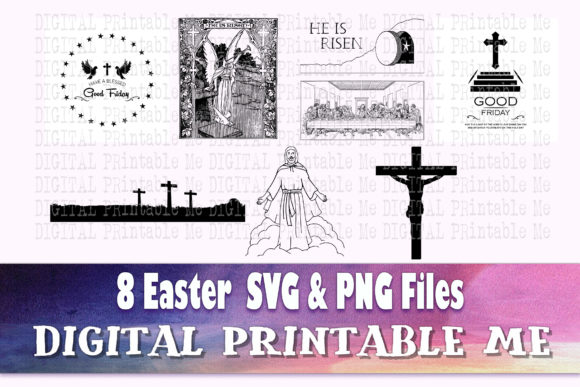
- Printable downloads: Many Christian artists offer silhouette art for purchase or free download. Search for "Good Friday silhouette" or "Easter silhouette printable" to find options suitable for your setting.
- Digital creation: Use graphic design software or apps to create silhouettes from photographs. Adjust the contrast to eliminate midtones, then convert the image to black and white. This works well for custom scenes.
Important considerations: Ensure your chosen image aligns with the theological emphasis of your tradition. Some silhouettes focus exclusively on the cross, while others include figures like Mary, John, or the angels at the tomb. Think about whether you want the imagery to emphasize the suffering of Good Friday, the hope of the resurrection, or both.
Different Approaches for Different Audiences
Not everyone will engage with Easter Religious Silhouette Good Friday art in the same way. Understanding these differences helps you use the medium effectively:
- Visual learners will appreciate the clarity and will often remember the scene long after viewing it. For them, the silhouette reinforces the spoken message.
- Reflective types may spend extended time contemplating the negative space—the darkness that surrounds the figures. This mirrors the spiritual reality of walking through grief before reaching hope.
- Artistically inclined individuals might want to create or adapt silhouette art themselves. Provide resources or workshops to engage this group.
- Children respond well to the simplicity and enjoy interactive activities like cutting out their own figures or using puppets made from silhouette shapes.
By offering multiple entry points—viewing, creating, discussing, and reflecting—you ensure that the Easter Religious Silhouette Good Friday experience reaches people where they are.
Outcomes and Lasting Impact
When used intentionally, silhouette imagery can produce lasting fruit. Congregations may find that the visual simplicity helps them remember the sermon points longer. Families may report that children understand and engage with the Easter story more fully. Individuals may discover a new layer of meaning in familiar passages because the visual format removed distractions and invited deeper contemplation.
The Easter Religious Silhouette Good Friday approach also offers flexibility across seasons. While it naturally centers on Holy Week, the same images can be used throughout the year in contexts where the cross or resurrection is the theme. A silhouette cross in a prayer room or counseling office provides year-round comfort and focus.
Final Considerations for Implementation
Before you commit to a specific silhouette design or placement, think about your desired outcome. Ask yourself what you want viewers to feel and understand. For Good Friday, the goal is often solemn reflection and gratitude for the sacrifice. For Easter, the goal shifts to joy, victory, and renewed hope. Your silhouette choice and the context in which you display it should serve these aims.
Also consider the physical environment. Lighting is critical—a silhouette must be backlit or placed against a contrasting background to read clearly. Test your setup during the actual time of day when it will be viewed. A silhouette that works beautifully at noon may disappear into the shadows by evening.
Finally, remember that the Easter Religious Silhouette Good Friday tradition is not about perfection. A hand-cut silhouette with slightly uneven edges can feel more authentic and personal than a flawless digital print. The human touch adds warmth and invites connection. Whether you craft your own or download a professional design, the key is to let the imagery serve the message rather than overshadow it.
By embracing the power of light and shadow, you can communicate the deepest truths of Easter with clarity, emotion, and enduring impact. The silhouette becomes not just an image, but an invitation—to pause, to remember, and to hope. As you prepare for this sacred season, consider how this visual tool might enrich your own journey and the faith of those around you. The darkness of Good Friday and the dawn of Easter have never been more simply or powerfully expressed.