Christmas Design, Silly Santa Christ: Strategic Playfulness for Holiday Branding
Every holiday season, businesses face a familiar challenge: how to stand out when every brand is wrapping itself in tinsel and red-and-green palettes. The answer may come from an unexpected direction: Christmas Design, Silly Santa Christ. This concept blends traditional festive imagery with irreverent, humorous, or even deliberately absurd interpretations of Santa Claus—reimagining the iconic figure in ways that feel fresh, disarming, and strategically memorable. It is not about cheap gags or seasonal gimmicks. Used thoughtfully, this approach can become a powerful tool for cutting through noise, reinforcing brand personality, and building genuine connection with audiences who crave authenticity over cliché.
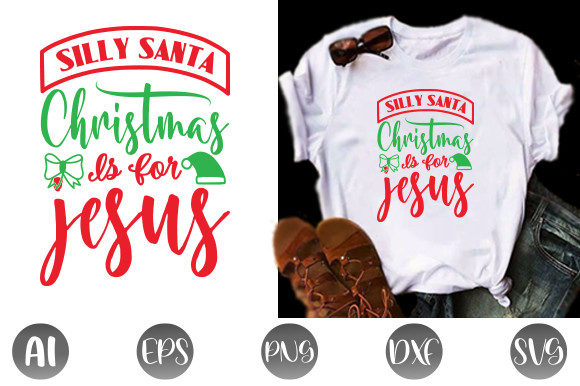
At its core, Christmas Design, Silly Santa Christ challenges the polished, sentimental depictions of Christmas that dominate commercial messaging. Instead of a serene, rosy-cheeked Saint Nick, the design might present a Santa tangled in lights, a Christ-like figure in a Santa hat, or a playful mashup of sacred and secular symbols rendered with wit. The strategic value lies in the friction this creates—the moment of surprise that stops a scroll, sparks a smile, or prompts a double-take. For entrepreneurs, marketers, and content creators, that brief pause is an opportunity to deliver a message that resonates beyond the holiday calendar.
Why Strategic Playfulness Works in Holiday Design
The seasonal landscape is crowded. From mid-October through January, inboxes, social feeds, and storefronts are saturated with predictable holiday imagery. Consumers develop what researchers call banner blindness, but applied to seasonal design: they become numb to the same sleighs, snowflakes, and Santas. Christmas Design, Silly Santa Christ disrupts that pattern by introducing an element of cognitive surprise. The brain registers the familiar Santa silhouette, but the subversion—a grumpy expression, a contemporary prop, an unexpected color scheme—triggers deeper processing. That processing time is attention, the scarcest resource in modern marketing.
This approach also signals a brand’s willingness to not take itself too seriously. For small business owners and freelancers whose personal brand is central to their work, a touch of self-aware humor can humanize the business. A local bakery running a series of “Santa Needs a Nap” illustrations across its packaging and social media isn’t just selling cookies; it’s telling a story about the relatable chaos of the season. The design becomes a conversation starter, not just decoration.
Aligning the Approach with Audience Expectations
Of course, not every audience welcomes irreverence. The key strategic decision is knowing when Christmas Design, Silly Santa Christ fits your brand’s voice and your audience’s expectations. A law firm or financial advisory practice would likely find this tone inappropriate. But for creators, lifestyle brands, agencies, publishers, and hobbyists whose identity includes humor, accessibility, or a counter-cultural edge, the payoff can be substantial. The test is simple: if the design sparks a conversation that reinforces your brand values rather than derailing them, it is worth pursuing.
Consider a blogger who covers modern parenting. A series called “Silly Santa Christ: The Holiday Survival Guide” featuring a frazzled Santa juggling phones, grocery lists, and a screaming toddler reindeer could resonate deeply with exhausted parents. The humor validates their experience while the design creates shareable, memorable content. The same logic applies to a skincare brand launching a limited-edition “Santa’s Stress Relief” line with packaging that shows Santa in a face mask. In each case, the design reinforces a message about empathy, self-care, or humor that aligns with the brand’s core value proposition.
Practical Use Cases Across Channels and Goals
The versatility of Christmas Design, Silly Santa Christ extends into nearly every marketing and operational channel. For email campaigns, a whimsical Santa header can boost open rates by appearing unexpected in a sea of templated greetings. For social media, a GIF series showing Santa failing at everyday tasks—spilling eggnog, wrestling with wrapping paper—can drive engagement through shares and comments. For product packaging, a limited run of playful Santa designs can create collectibility and urgency.
But the approach also has applications beyond promotion. In internal communications, a “Silly Santa Christ” motif can lighten the tone of end-of-year memos, performance reviews, or team updates. For educators and instructional designers, mixing humorous holiday imagery into year-end learning modules can increase engagement and retention. Freelancers and solo professionals can use the theme in their holiday newsletters, showing clients that they are both creative and approachable.
The planning process should start with a clear goal. Ask: what outcome do I want this design to support? Is it brand awareness, customer delight, social engagement, or simply differentiating from competitors? Once the goal is defined, the execution becomes easier to evaluate. A design that makes people chuckle but does not drive any measurable action may be fun but strategically hollow. The best implementations tie the humor directly to a call to action or a brand message.
Planning Tips for Intentional Execution
- Start with audience research. Survey your community or review past engagement data to understand their tolerance for humor and irreverence. A young, creative audience on Instagram will react differently than a B2B LinkedIn following.
- Define the boundary. Decide early where the line sits between playful and offensive. The “Christ” in Christmas Design, Silly Santa Christ can reference religious imagery, so be mindful of sensitivity. The goal is charming subversion, not alienation.
- Create a cohesive visual language. Even playful designs should feel professional. Choose a consistent color palette, typography, and character style that extends across all touchpoints from emails to packaging to website banners.
- Plan for scalability. If the concept works, can you produce enough variations to sustain a campaign for several weeks? Stock up on a bank of illustrations or templates before launching.
- Measure what matters. Track engagement rates, click-throughs, social shares, and sentiment. Compare performance against more traditional holiday campaigns to determine the actual lift.
Navigating Risks and Maintaining Authenticity
Like any bold creative choice, Christmas Design, Silly Santa Christ carries risks. Without clear context, the humor can feel forced or gimmicky. Audiences are quick to detect when a brand is simply jumping on a trend rather than expressing a genuine voice. A mismatched execution can undermine credibility or, worse, offend viewers who hold the figure of Santa or Christ as sacred. The antidote is intentionality: every design choice should be rooted in a clear understanding of why you are subverting expectations and what message the humor serves.
Another risk is overuse. A single playful Santa image can be charming; a campaign that leans too heavily on the same joke becomes tiresome. Rotate the concept across different situations and emotions—exhausted Santa, optimistic Santa, rebellious Santa—to keep the idea fresh. And always ensure the humor does not obscure the core message. If a customer cannot remember your brand name after laughing at your design, the creative has failed its strategic purpose.
Educators and professionals who work with sensitive audiences should exercise additional caution. A classroom or corporate training environment may not be the right venue for this tone. When in doubt, test the concept with a small focus group drawn from your actual audience before committing significant resources.
Long-Term Value Beyond the Holidays
One of the more interesting strategic angles is the potential for Christmas Design, Silly Santa Christ to create assets that remain relevant year after year. A well-executed character or design motif can become a recurring seasonal touchpoint that audiences anticipate. Think of how certain brands have made specific holiday characters or themes part of their identity—the Coca-Cola Santa, for example, or the Grinch. A smaller brand can achieve similar brand recall with a distinctive, humorous Santa that appears annually in fresh scenarios.
For content creators, the concept provides a reusable framework for generating holiday content that aligns with year-round themes. A productivity blogger could reframe “Santa’s Preparation” as a metaphor for project planning. A financial advisor could use “Silly Santa Christ: Budgeting for Gift-Giving” as a lighthearted entry point into serious financial discussions. The humor opens the door; the substance keeps the reader engaged.
Entrepreneurs should also consider the operational angle. A limited-edition holiday product line based on this concept can create urgency and exclusivity, driving sales during a critical revenue period. The same designs can be repurposed for thank-you cards, gift tags, and social media templates, extending the value of the creative investment. The key is to treat the design not as a one-off joke but as a deliberate element of your seasonal strategy with measurable objectives.
Making the Decision: Is This Right for Your Brand?
Before adopting Christmas Design, Silly Santa Christ, run it through a simple decision matrix. First, does it align with your brand voice? If your tone is generally serious or formal, the shift may confuse your audience. Second, does it serve a specific goal? Whether that goal is increased engagement, higher open rates, or stronger brand recall, the design should be a means to that end, not an end in itself. Third, can you execute it consistently and with quality? A half-hearted or poorly rendered version of this concept will fall flat.
If the answer to all three questions is yes, then proceed with a focused pilot. Launch the concept in a single channel—say, a two-week social media campaign or a single email blast—and measure the response. Use that data to decide whether to expand the concept to other channels or retire it for the season. This iterative approach reduces risk while allowing you to test the strategic fit.
Decision-makers should also consider the competitive landscape. If your competitors are all running traditional holiday campaigns, a touch of strategic silliness can be a powerful differentiator. If the market is already saturated with ironic or humorous holiday content, you may need to find a more unique angle within the Christmas Design, Silly Santa Christ framework—perhaps focusing on a specific emotion like relief or gratitude rather than pure absurdity.
Final Considerations for Long-Term Impact
The most successful implementations of this concept treat it as part of a broader relationship with the audience, not a seasonal stunt. When audiences see the same playful character or theme year after year, it becomes a tradition they look forward to. That anticipation builds loyalty and gives the brand a recurring moment of cultural relevance.
To achieve that, document your process. Save the design files, note what worked and what did not, and archive audience feedback. Next year, you can build on the foundation rather than starting from scratch. Over time, your version of Christmas Design, Silly Santa Christ evolves into an owned asset—something that belongs uniquely to your brand and cannot be easily replicated by competitors.
For freelancers and small business owners working with limited resources, start simple. A single high-quality illustration used across a few platforms can outperform a dozen mediocre ones. Focus on the character’s personality and the emotion it evokes. If your audience feels seen, understood, or entertained, the design has done its job. Strategy, after all, is not about doing everything—it is about choosing the right thing and doing it exceptionally well.
The holiday season is a moment of heightened emotion, expectation, and exhaustion. Meeting that moment with a design that acknowledges the absurdity of it all, while still delivering genuine value, is a choice that can deepen trust and affection. Christmas Design, Silly Santa Christ is not for everyone. But for those who wield it with intention, wit, and respect for their audience, it can be one of the most effective tools in the seasonal toolkit.